Transforming Healthcare Across the GCC
See how leading healthcare organizations are using RiayaCare's AI to save lives, reduce costs, and deliver better patient outcomes.
How AI Predicted and Prevented 340 Heart Failure Readmissions
The Challenge
Dubai Health Authority faced a critical challenge: heart failure patients were being readmitted within 30 days at a rate of 24%, well above the international benchmark of 15%. Each readmission cost AED 45,000 and represented a failure in preventive care. Traditional risk scoring tools were too generic and missed 60% of high-risk patients.
The AI Solution
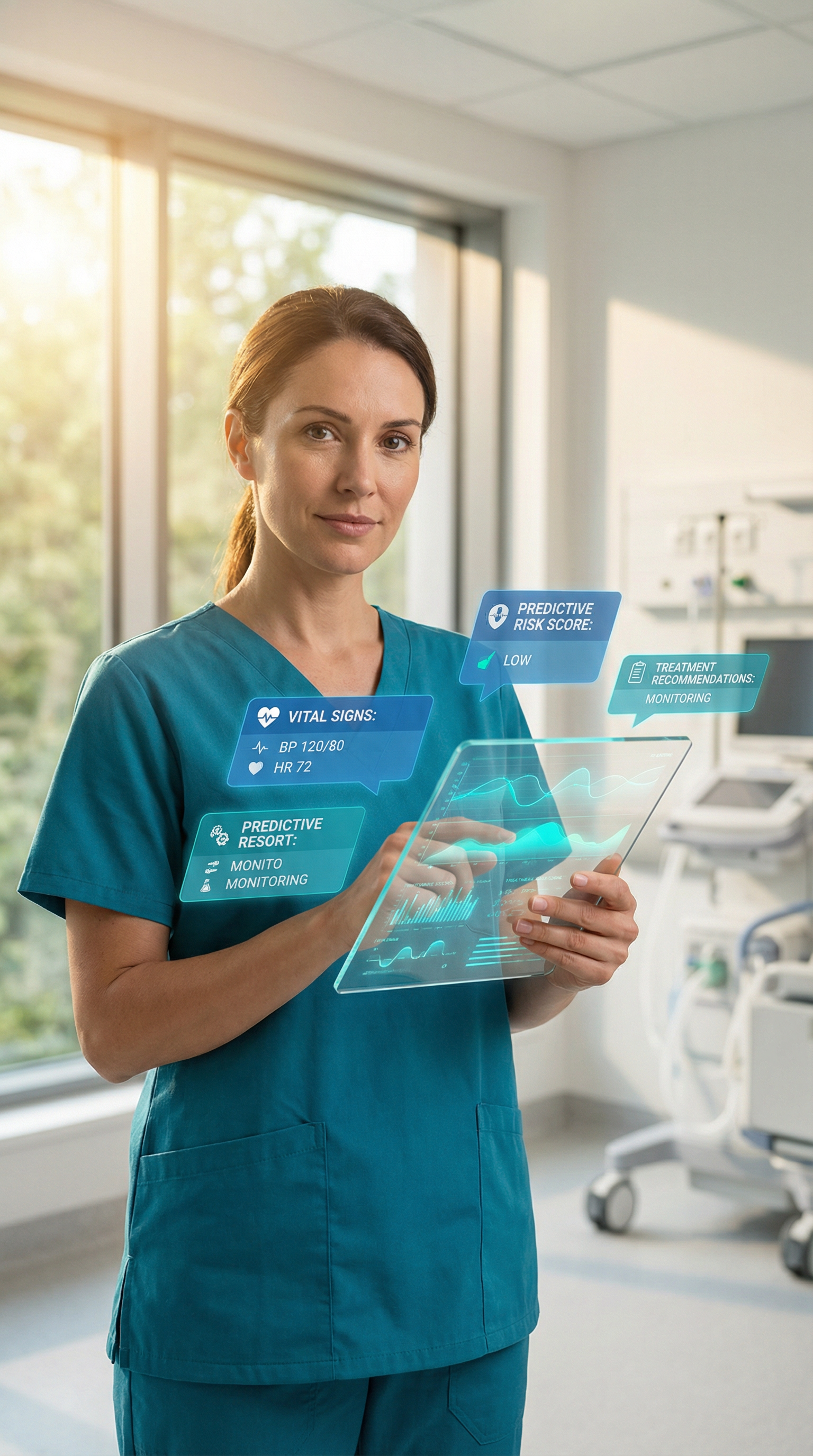
RiayaCare's machine learning models analyzed 50,000+ heart failure patient records across 15 DHA facilities, identifying 127 unique risk factors including medication adherence patterns, vital sign trends, social determinants of health, and subtle changes in lab values. The AI trained itself to recognize patterns that human clinicians couldn't see—predicting readmission risk 45 days in advance with 89% accuracy.
The Transformation
When the AI identified a high-risk patient, it automatically triggered a care protocol: home monitoring device deployment, medication adjustment recommendations, nutrition counseling, and proactive follow-up calls. Care coordinators received daily AI-prioritized patient lists, focusing their limited time on the patients who needed it most.
Measurable Impact
"RiayaCare's AI didn't just predict readmissions—it transformed our entire approach to heart failure care. We went from reacting to crises to preventing them. Our patients are healthier, our costs are lower, and our care teams feel empowered instead of overwhelmed."
How AI Detected Sepsis 18 Hours Earlier and Saved 47 Lives
The Challenge
Sepsis is a leading cause of hospital mortality, killing 1 in 5 patients globally. At Cleveland Clinic Abu Dhabi, despite having world-class clinicians, sepsis was often detected too late—when patients were already in septic shock. Traditional early warning scores had poor specificity, triggering so many false alarms that clinicians became desensitized.
The AI Solution
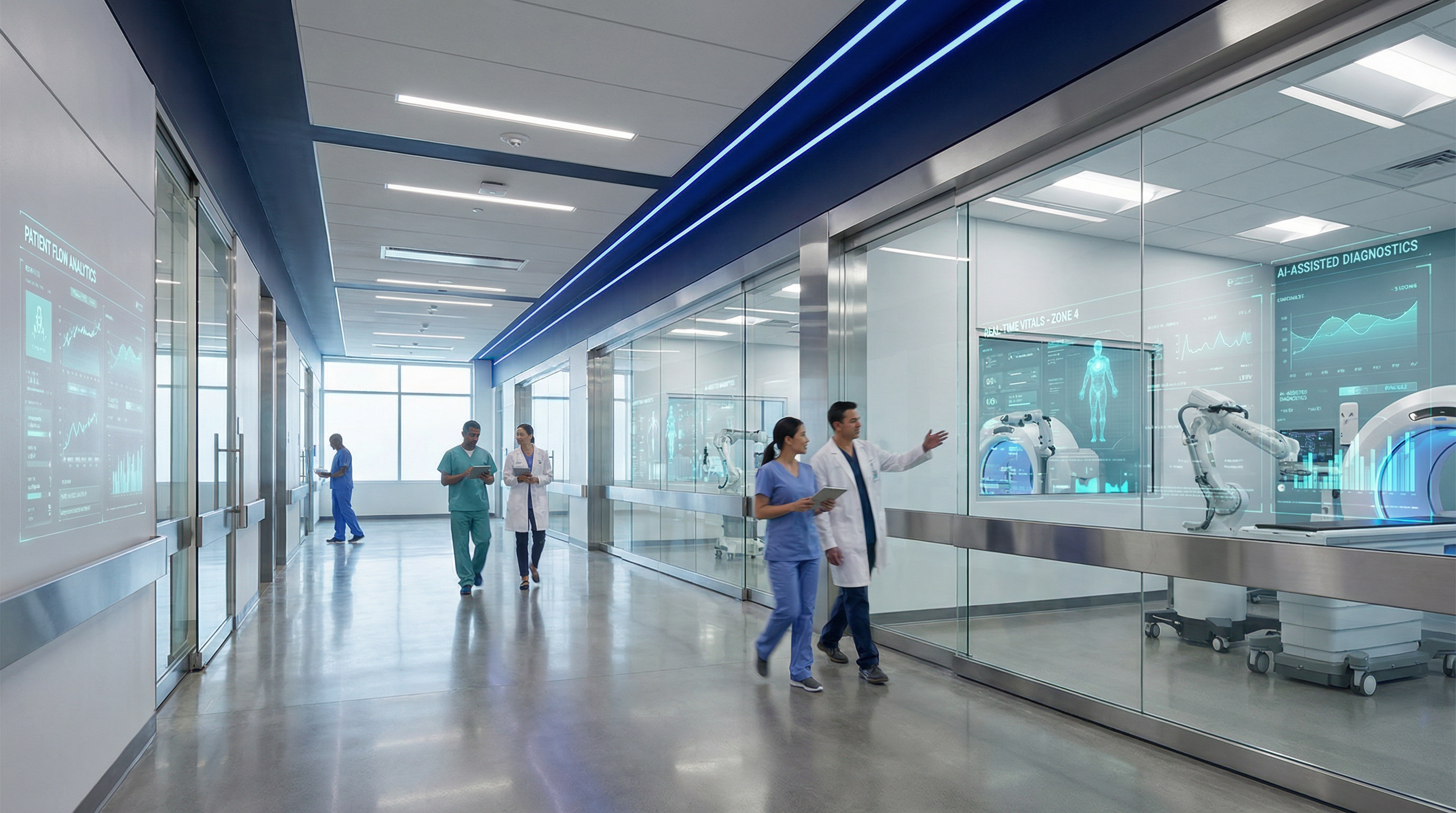
RiayaCare's sepsis prediction AI analyzes 50+ vital signs, lab values, and clinical indicators every 15 minutes, learning the subtle patterns that precede sepsis onset. Unlike rule-based systems, the AI adapts to each patient's baseline and detects deviations that are meaningful for that individual. It predicts sepsis onset 18 hours earlier than traditional methods with 94% accuracy and only 5% false positive rate.
The Transformation
When the AI detects early sepsis risk, it immediately alerts the rapid response team with a detailed clinical summary and recommended interventions. Clinicians receive only high-confidence alerts for patients who truly need immediate attention. The AI also tracks response times and outcomes, continuously learning which interventions work best.
Measurable Impact
"RiayaCare's sepsis AI is the most impactful clinical tool I've used in 20 years of critical care medicine. It's not just accurate—it's trusted by our clinicians because it only alerts when it matters. We've saved 47 lives that we would have lost under our old system."
How AI Increased OR Utilization by 32% Without Adding Capacity
The Challenge
King Faisal Specialist Hospital had 18 operating rooms but chronic scheduling inefficiencies. ORs sat empty 25% of scheduled time due to delays, cancellations, and poor case sequencing. Meanwhile, surgical wait times exceeded 6 weeks. Traditional scheduling relied on static block time allocations that didn't adapt to actual demand patterns.
The AI Solution
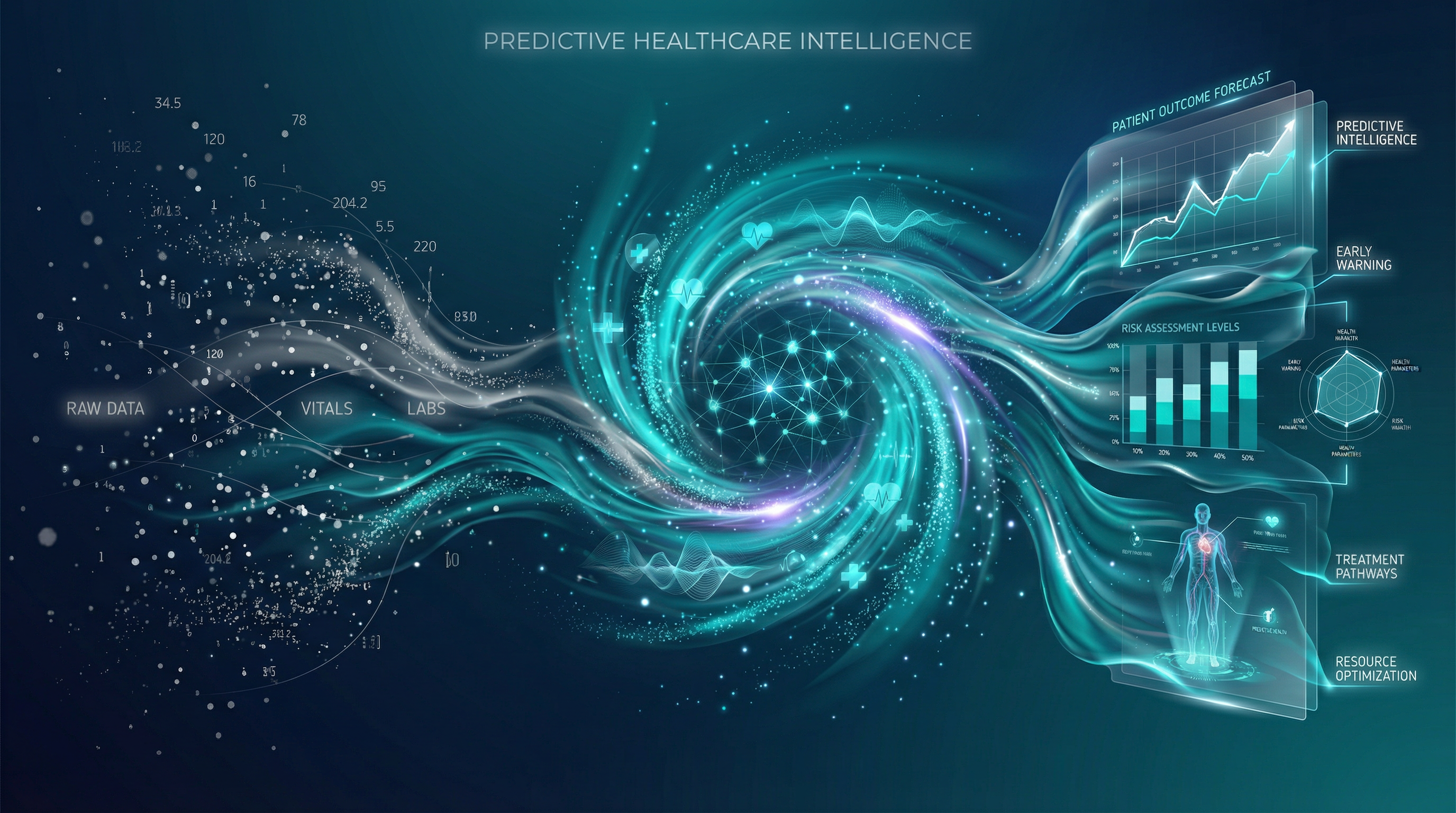
RiayaCare's OR optimization AI analyzes 5 years of surgical data—procedure durations, surgeon patterns, complication rates, equipment needs, patient factors—to predict actual case length within 15 minutes. The AI dynamically optimizes daily schedules, sequences cases to minimize turnover time, and recommends block time reallocation based on real demand patterns.
The Transformation
The AI generates optimized OR schedules every morning, accounting for predicted case durations, surgeon preferences, equipment availability, and patient acuity. When delays occur, it automatically re-optimizes the remaining schedule. Schedulers went from spending 3 hours daily on manual scheduling to 20 minutes reviewing AI recommendations.
Measurable Impact
"RiayaCare's OR optimization AI was like adding 6 new operating rooms without the $30M capital investment. Our surgeons are happier, our patients wait less, and we're performing more life-saving procedures. It's the best ROI we've ever achieved."